 Tyler Leak Repair Experts
Water Heater Leak Detection & Repair in Tyler, TX
Detection on a water heater is the quick part. The real question is whether you need a repair or a replacement, and that turns entirely on which of three points is leaking. We find the source first so you do not spend on a new tank you may not need.
Prefer to talk first? Call (903) 651-5125 and describe what you are seeing.
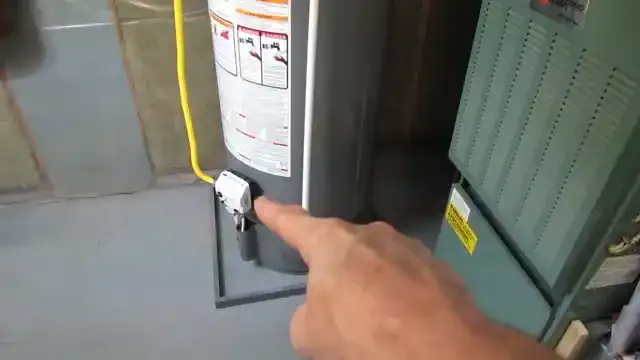
The three places a heater leaks
A leaking water heater is almost always failing at one of three points. Water at the top usually means a loose or corroded inlet or outlet fitting. Water from the temperature and pressure relief valve often means the valve is doing its job and releasing pressure, which points upstream rather than at the tank.
Water pooling at the base is the serious one. That generally means the tank itself has corroded through from the inside, and a tank that leaks from the bottom is telling you its service life is over. Telling these three apart in the first few minutes is what saves the unnecessary replacement.
How we read the source
We trace the water to its actual origin instead of trusting the puddle, which can travel along the top of the tank or down the outside before it drops. We check the fittings under pressure, test the relief valve, and inspect the base and the pan. Thermal imaging helps where the leak is intermittent or hidden behind the jacket.
Tyler's moderately hard water at about 4.2 grains per gallon leaves scale that builds in the tank over the years and speeds the corrosion that finally opens the bottom. In newer Briarwood and Brookhaven homes the units are younger, so a top-fitting leak is the more common find.
Repair when it makes sense, replace when it does not
A fitting leak is a true repair: tighten or replace the connection, test, and you are done. A relief valve that is weeping because of a pressure problem upstream means we chase the pressure, not the heater. Either way you keep the tank you have.
A tank corroded through at the base is not a repair. We will tell you straight that it needs replacing rather than sell you a patch that fails again in a month. Honest answers on this one save real money.
Sediment, pressure, and the drain pan
Two quieter culprits sit behind a lot of water heater trouble in Tyler. The first is sediment. Scale from moderately hard water settles to the bottom of the tank, bakes onto the burner area, and accelerates the corrosion that finally opens the base. A tank that pops and rumbles is usually carrying years of it.
The second is house pressure. When incoming pressure runs high or a closed system has no room to expand, the relief valve weeps and people mistake it for a failing heater. The real fix there is a pressure-reducing valve or a small expansion tank, not a new water heater. We check the pressure before we ever recommend replacing a unit over a dripping valve.
The drain pan and its line are the last thing we inspect. A pan that is full or a drain line that runs nowhere useful turns a minor weep into floor damage. On a heater sitting in an attic or an interior closet, a working pan and line are what stand between a slow leak and a ruined ceiling below.
Heading off the next one
Flushing the tank to clear scale, checking the anode rod, and managing house pressure all extend the life of a Tyler water heater working against moderately hard supply. If yours is past ten years and weeping at the base, plan ahead rather than waiting for the morning it lets go.
Puddle under the water heater?
Talk it through with a licensed Tyler leak specialist, any hour.
☎ (903) 651-5125Questions Tyler homeowners ask
My water heater is leaking. Does it need replacing?
It depends entirely on where. A fitting at the top is a repair. Water from the base usually means the tank has corroded through and the unit is done. We find the source before recommending either.
Why is water coming from the relief valve?
That valve releases when pressure or temperature climbs too high. The leak is often a sign of a pressure problem upstream, so we check the system rather than just swapping the valve.
Does Tyler water shorten a heater's life?
The scale from moderately hard water builds up over the years and speeds internal corrosion. Periodic flushing and a sound anode rod help the tank last closer to its full span.
There is water in the pan but the tank looks dry. What now?
Water can travel along the top of the tank or down a fitting before it drops into the pan, so a wet pan does not always mean a dead tank. We trace it to the actual source before calling it a repair or a replacement.
Keep going ☎ (903) 651-5125
Find it first. Then fix it.
One call gets a licensed Tyler leak specialist on the line, 24 hours a day.
☎ (903) 651-5125