 Tyler Leak Repair Experts
Electronic Leak Detection in Tyler, TX
Electronic leak detection is what happens after the microphone. Faint leak sound sits buried under street noise, footsteps, and the hum of a house, and the electronic side, the amplifiers, filters, and correlators, is what pulls the leak signal out of all of it.
Prefer to talk first? Call (903) 651-5125 and describe what you are seeing.
Turning a faint signal into a clear one
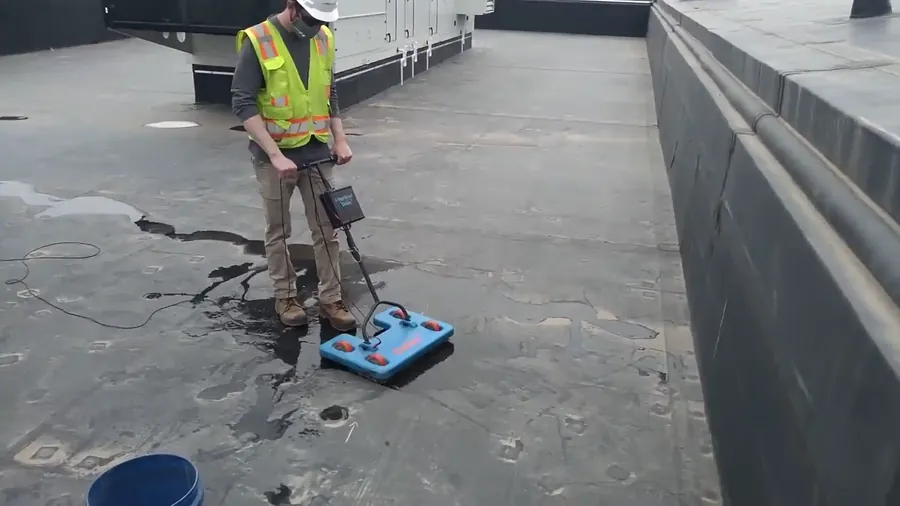
The raw sound a leak makes is often too quiet and too tangled with other noise to act on directly. Electronic detection processes it. Amplifiers raise the leak signal, frequency filters cut out the bands where the leak is not, and a display shows the signal strength as a number that climbs as the sensor nears the source.
That processing is the difference between thinking a leak is somewhere in a room and knowing it is at a specific point on the floor. It turns listening, which depends on a trained ear, into a measurement anyone on the crew can read off the instrument.
The correlator and how it triangulates
The most powerful electronic tool is the correlator. We place two sensors at accessible points on the same line, a meter and a fixture, say, and the leak sound reaches each at a slightly different time. The electronics measure that tiny delay and, knowing the pipe material and length, calculate exactly where between them the leak sits.
That is invaluable on a long buried run across a Tyler yard, where there is no surface to walk and listen on. The correlator fixes the leak to a tight distance on the line without anyone hearing a thing at the surface, then we confirm the spot with a ground microphone.
Where electronic methods fit
Electronic detection is not a separate leak source so much as the intelligence layer over acoustic work. It earns its place on noisy sites, on long runs where simple listening fails, and any time we need a number to back up the ear. On a quiet slab leak, plain acoustic may be enough; on a buried main under a busy property, the correlator is what gets it.
Its limit is the same as acoustic: it needs a pressurized leak making sound. A silent drain still calls for a camera or tracer gas, no matter how good the electronics are.
A measurement you can stand behind
One quiet advantage of electronic detection is that it produces a record, not just an opinion. The signal strength reading, the correlator's calculated distance, and the sensor positions are numbers we can note and show you, which matters when a leak is being documented for an insurance claim or a real estate question.
That objectivity also helps on a tough leak where two methods seem to disagree. The electronics give a figure to weigh against the ear, and when the correlator and the ground microphone agree on a spot, we open the floor with real confidence rather than hope.
Confirming and repairing
Once the correlator and the amplified sensors agree on a spot, we mark it and open one small access over the leak. The electronic confirmation means we dig or cut with confidence rather than on a hunch, and we re-measure after the repair to verify the signal is gone.
The value of the electronics is precision on the hard cases. A leak that plain listening could not place, the instruments place, which keeps even the difficult repairs small.
Leak on a long buried line?
Talk it through with a licensed Tyler leak specialist, any hour.
☎ (903) 651-5125Questions Tyler homeowners ask
How is electronic detection different from acoustic?
Acoustic is the listening; electronic is the processing that makes faint or noisy leak sound readable. The amplifiers, filters, and correlators turn a trained ear's job into a measurement and handle cases plain listening cannot.
What is a correlator?
A device that uses two sensors on the same line and measures the tiny time difference of the leak sound reaching each. From that and the pipe data, it calculates the exact distance to the leak, ideal for long buried runs.
Do I need electronic detection or is acoustic enough?
It depends on the leak. A quiet slab leak may need only acoustic listening. A noisy site or a long buried line is where the electronic correlator earns its keep.
Can the electronics find a leak with no sound?
No. Like acoustic, they need a pressurized leak making sound to work on. A silent drain or sewer line calls for a camera or tracer gas instead.
Does this avoid digging?
Yes, until the repair. The instruments locate the leak through the surface, so we open one small spot only after the electronics confirm it. Call (903) 651-5125 to put them to work.
Keep going ☎ (903) 651-5125
Find it first. Then fix it.
One call gets a licensed Tyler leak specialist on the line, 24 hours a day.
☎ (903) 651-5125