 Tyler Leak Repair Experts
Helium Leak Detection in Tyler, TX
Helium leak detection uses the smallest molecule there is. Pumped into an isolated line, helium slips through openings far too small for water to ever reveal, then a sensitive sniffer at the surface finds exactly where it escapes.
Prefer to talk first? Call (903) 651-5125 and describe what you are seeing.
Why helium finds the tiny ones
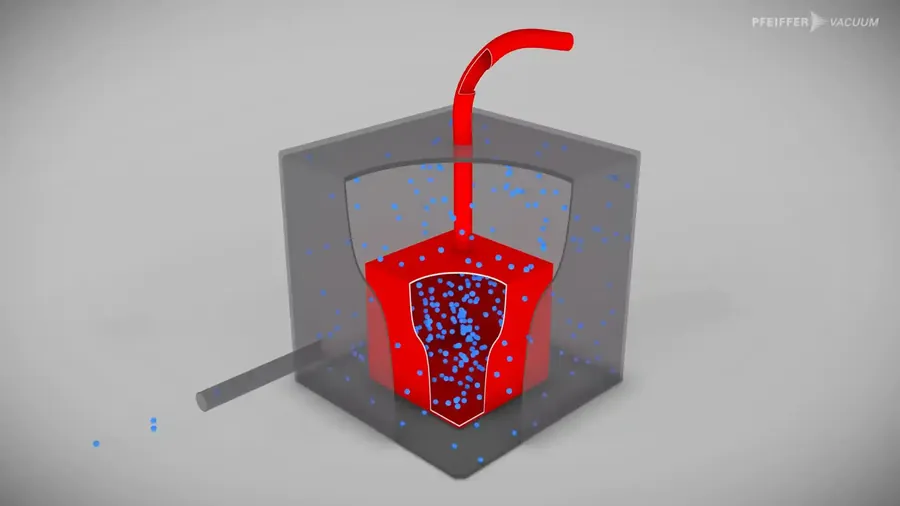
A helium atom is among the smallest things in nature, and that is the whole trick. Where a leak is so small or so slow that it makes no sound and barely loses water, helium still pushes through it readily. We drain or isolate the line, charge it with helium, and the gas finds every opening the water was seeping through.
Because helium is inert, non-toxic, and lighter than air, it is safe to use inside a home and it rises and disperses cleanly afterward. That safety, plus its tiny size, makes it the method of choice for the leaks other tools cannot catch.
Sniffing it back out
Once the line holds helium, we move a calibrated detector along the suspected area. Where helium is escaping, the sniffer reads a rising concentration, peaking directly over the leak. Because background air holds almost no helium, even a trace escaping the pipe stands out sharply against it.
That clean signal is what makes helium so precise. There is little to confuse it with, so the detector leads us to a small, confident spot rather than a general area.
The leaks helium is made for
Helium is the go-to when water is shut off or the leak is too subtle for sound. Pool and spa plumbing, where lines can be isolated and charged, are a classic case. So are tiny slab-leak seeps that barely register acoustically, and pressure-test failures where we know a line will not hold but cannot hear where.
Its requirement is an isolatable line we can fill with gas. Where that is possible, helium finds leaks down to a size no listening method can reach, which is exactly when we bring it out.
Isolating and charging the line
Helium work starts with preparation. We isolate the section in question, closing it off from the rest of the system, and drain it so the gas has room to fill the pipe and reach the leak. On pool and spa plumbing that means capping a circuit at the equipment pad; on a supply line it means closing the right valves.
Then we introduce the helium under gentle pressure and give it a moment to seek out every opening. Done carefully, the setup is what makes the find clean, because a properly isolated and charged line sends helium out the leak and nowhere else, so the sniffer reads one clear source.
Pinpoint, then repair
Helium gives a tight, surface-marked spot, so the repair opens the smallest possible access directly over the leak. After the line is repaired, we can recharge and re-sniff to confirm the escape is gone before closing everything up.
For the smallest, most stubborn leaks in Tyler pools and slabs, helium is often what succeeds after sound has narrowed the area but cannot close the distance.
A tiny leak nothing else can find?
Talk it through with a licensed Tyler leak specialist, any hour.
☎ (903) 651-5125Questions Tyler homeowners ask
Why use helium instead of just listening?
Because some leaks are too small or too slow to make sound. Helium, being a tiny molecule, escapes through those openings and a sniffer finds where, catching leaks no acoustic method can hear.
Is helium safe to use in my home or pool?
Yes. Helium is inert, non-toxic, and lighter than air, so it disperses cleanly and harms nothing in the house or the pool plumbing it is used on.
When is helium the right method?
When the water is shut off, the leak is very small, or a line failed a pressure test but makes no sound. Pool and spa plumbing and tiny slab seeps are classic cases.
Does the line have to be empty?
It needs to be isolatable so we can charge it with helium. We drain or close off the section, fill it, and then sniff for where the gas escapes.
How precise is helium detection?
Very. Because normal air holds almost no helium, even a trace escaping stands out sharply, leading us to a small, confident spot. Call (903) 651-5125 for the hard-to-find leaks.
Can helium find a leak acoustic methods missed?
Often, yes. That is exactly when we reach for it. When sound has narrowed the area but cannot close the distance on a tiny or slow leak, helium pushes through the same opening and the sniffer marks the spot.
Keep going ☎ (903) 651-5125
Find it first. Then fix it.
One call gets a licensed Tyler leak specialist on the line, 24 hours a day.
☎ (903) 651-5125