 Tyler Leak Repair Experts
Sonar Leak Detection in Tyler, TX
Sonar leak detection works through the water itself. On a liquid-filled line or a pool, sound travels cleanly through the water column, and timing it between two points lets us calculate the distance to a leak on a run far too long to walk and listen over.
Prefer to talk first? Call (903) 651-5125 and describe what you are seeing.
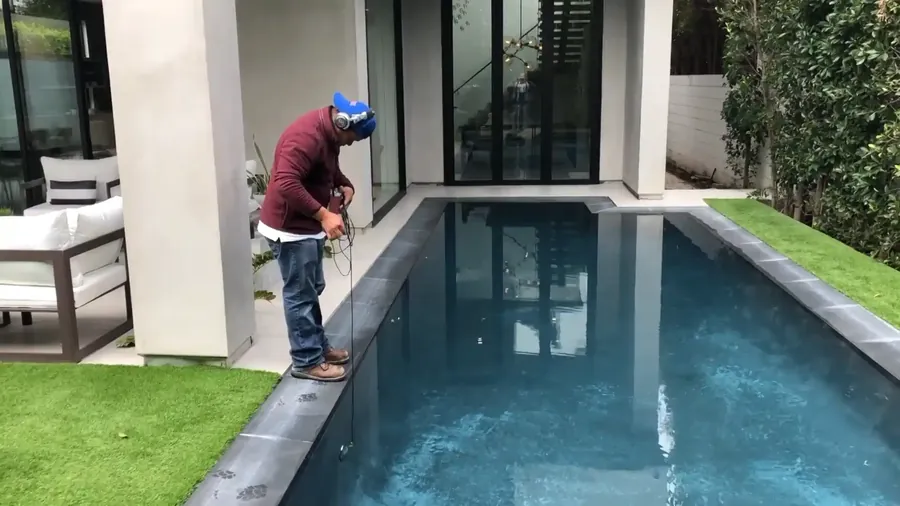
Using the water as the medium
Most listening methods read sound through pipe walls, soil, or concrete. Sonar instead sends and reads sound through the water inside the line. Water carries sound fast and far with little loss, so a leak's signature travels a long way along a filled main, which is what lets sonar reach leaks that surface methods cannot.
That makes it a strong choice for long buried mains and for the filled plumbing of a pool, where the leak may be far from any point you can stand over. The water column becomes the path the leak sound travels to our sensors.
Timing the distance to the leak
Sonar leak location often works by correlation through the water: sensors at two access points each receive the leak sound, and the difference in arrival time, combined with the speed of sound in water and the line length, fixes the distance to the leak between them. It is the same triangulation idea as an electronic correlator, applied through the liquid.
On a long line under a Tyler yard or driveway, that means locating a leak to a tight distance without opening the ground to search. We then confirm the marked spot from the surface before any excavation.
Where sonar fits among the methods
Sonar earns its place where the line is full of water and too long or too deep for surface listening to manage. A buried main, a pool circulation line, a transmission run between a meter and a structure set well back: these are sonar's territory. It complements acoustic and correlation rather than replacing them.
Its requirement is a water-filled, accessible line at two points. A dry drain offers no water column to carry sound, so those still go to a camera, and a leak with no flow gives nothing to hear.
Sonar on pool circulation lines
Pools are a natural home for sonar, because their circulation plumbing is full of water and often runs a long way underground from the pool to the equipment pad. A leak on a return or suction line buried under a Tyler deck can be far from any access point, and the water-filled line carries its sound to our sensors.
By reading through the water in the line, sonar fixes the leak's position along that buried run, so the deck is opened at one spot over the break instead of chased across the whole patio. For long pool lines, it is often the method that finally places the leak.
From location to repair
Once sonar fixes the distance, we mark the surface spot, confirm it with a ground microphone, and open one targeted excavation over the leak rather than trenching the whole run. After the repair, the line is pressure tested to confirm it holds.
For long, water-filled lines, sonar is what turns a daunting search across a property into a single precise dig, which is the whole point of locating before opening ground.
Leak on a long filled main?
Talk it through with a licensed Tyler leak specialist, any hour.
☎ (903) 651-5125Questions Tyler homeowners ask
How is sonar different from acoustic detection?
Acoustic reads sound through the slab, soil, or pipe wall. Sonar reads it through the water inside the line, which carries sound far, so it can reach leaks on long filled mains that surface listening cannot.
What kind of leaks is sonar best for?
Long buried water mains and filled pool circulation lines, especially where the leak is far from any point you can stand over. The water column carries the leak sound to our sensors.
Does it avoid digging up the line?
Yes, for finding it. Sonar correlation fixes the leak to a tight distance, so the excavation targets one spot instead of trenching a long run.
Will sonar work on a drain?
Not a dry one. With no water column to carry sound, a drain offers sonar nothing to read, so we camera those lines instead.
My pool line runs a long way to the equipment. Can you find it?
That is a good fit for sonar through the filled line. We locate the leak along the run, then confirm and repair one spot. Call (903) 651-5125 to set it up.
Is sonar only for pools?
No. It suits any long, water-filled line, including buried mains and transmission runs, not just pool plumbing. What it needs is water in the line to carry the sound and two points to read it from.
Keep going ☎ (903) 651-5125
Find it first. Then fix it.
One call gets a licensed Tyler leak specialist on the line, 24 hours a day.
☎ (903) 651-5125